
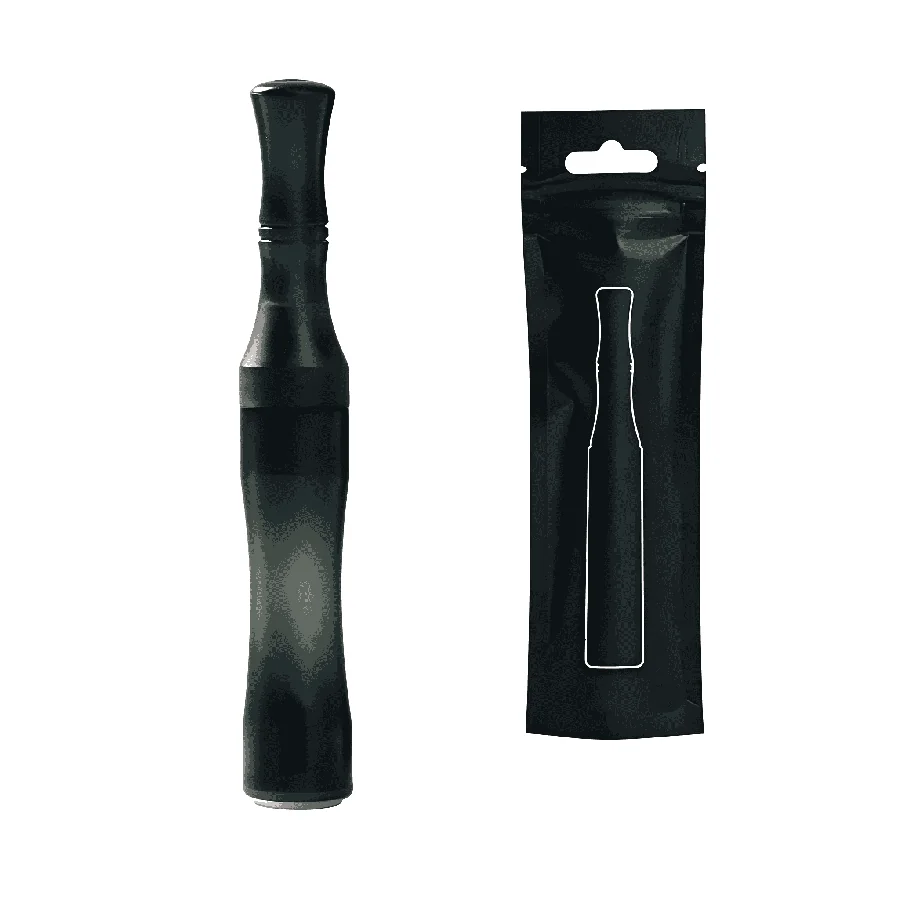
A repeat order for a ready-to-use inhaler should refer to a defined finished product, not just the quantity bought last time. For AIRITU D-D001, keep the approved configuration, the buyer’s observed demand and the terms of the new quotation in separate records. That makes a replenishment request reviewable without turning a use-period statement into a purchasing forecast.
Identify the finished unit and prior reference
Start with the registered model D-D001 and the configuration actually supplied in the prior order. D-D001 is a factory-pre-infused, ready-to-use, single-use product supplied in an individual sealed bag. Ask your team to record the previous quotation or order reference, agreed pack presentation, formulation direction, market and any approved artwork revision. A photograph or a repeated model name cannot establish that all those details remain the same.
The disposable product range is useful for identifying the format. A repeat quotation still needs the exact configuration and current commercial terms confirmed for the project.
Keep use period and unopened stock apart
For D-D001, the recommended use period is approximately seven days. It does not set a fixed rate at which a retailer will sell units or a customer will purchase them. Separately, the stated one-year shelf life applies to unopened, sealed, factory-pre-infused D-D001 finished product. It does not describe an opened unit, and it does not establish a longer finished-product shelf life.
In a planning worksheet, put the buyer’s actual sales or allocation observations next to the dates and quantities of remaining unopened stock. Label forecasts as assumptions. Do not derive a monthly reorder quantity by dividing the use period into calendar days; that would substitute a product-use recommendation for demand evidence.
Reconcile the stock the buyer can identify
Before sending a repeat-order request, list the prior order reference, quantities received, unopened units on hand and the stock period the buyer wants to cover. Record any uncertainty, such as incomplete channel reports, as a question rather than a number disguised as fact. If the planned finished configuration has changed, separate the new request from the previously supplied stock.
The buyer can use a simple record with columns for confirmed prior configuration, observed stock or demand, planning assumption, and supplier confirmation needed. Do not combine a proposed new pack or formulation with remaining units from an earlier version in a single undifferentiated line.
Ask for a current project-specific quotation
State the target market, finished-unit configuration, proposed quantity and timing required for the purchasing decision. Ask AIRITU to confirm current packaging, labeling, formulation, price, payment, delivery terms and schedule in the quotation. Pricing is project-specific; a prior order does not prove current stock or unchanged terms. The final schedule is confirmed through the quotation or order approval, not by a generic planning range.
Send those questions through contact AIRITU with the referenced earlier order and your assumptions. If the response changes the configuration or terms, revise the reorder record before approval. This planning record does not mean AIRITU has accepted a repeat order.